
Lafayette Mold Removal Co. covers mold removal across four parishes: remediation, slab moisture work, attic mold, inspection and testing, and water damage restoration. Many local specialists don't charge for an inspection with moisture readings; ask when they call, and ask to keep the written assessment whether or not you hire the specialist.
Four things to get in writing, every time
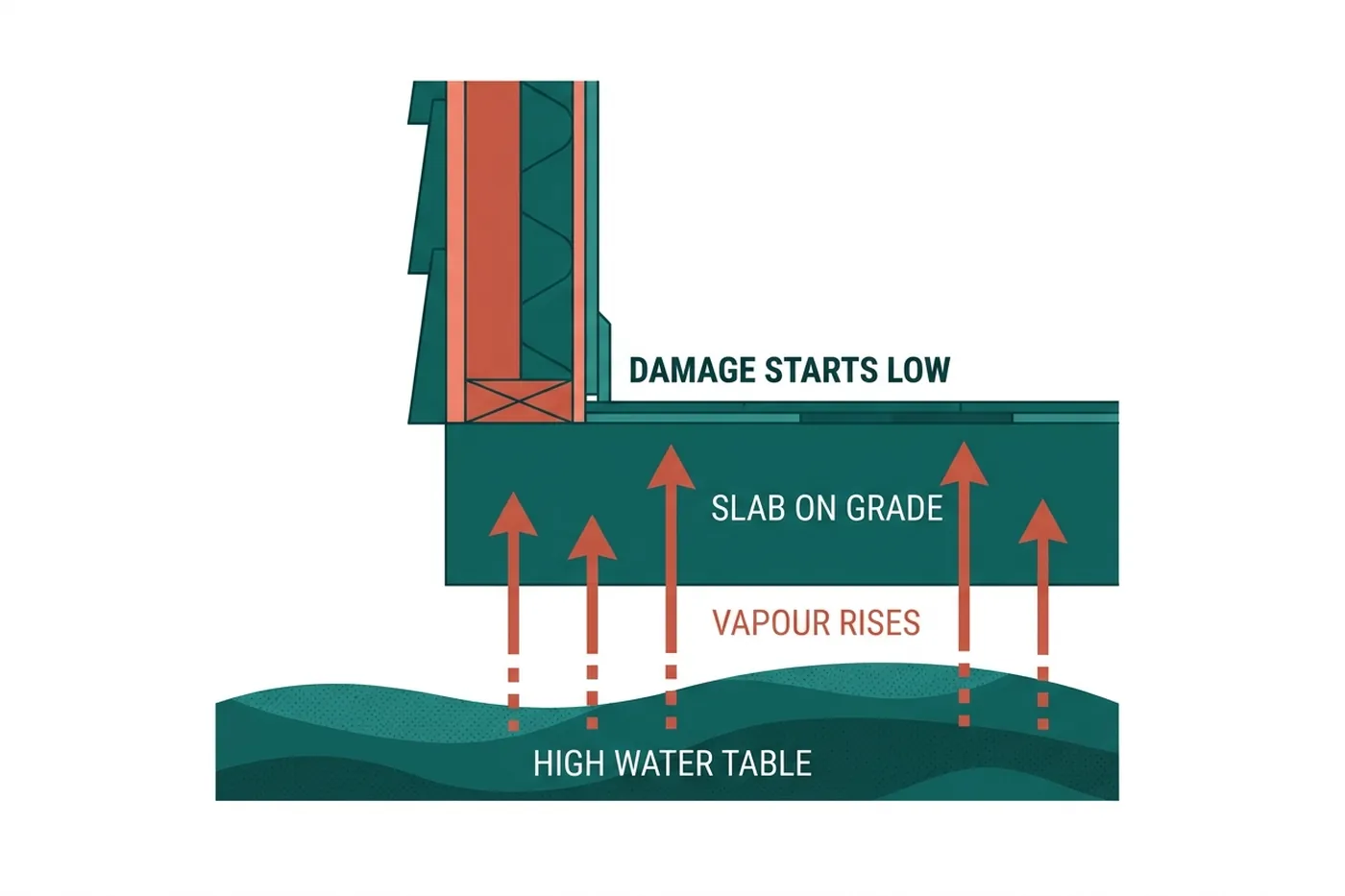
1. Where the water is coming from. Not "moisture intrusion" — the actual path, in a sentence you can check. Vapour rising through the slab. A bath fan terminating in the attic. A supply line weeping behind a cabinet. A scope without this sentence is a cleaning quote, and it will come back.
2. What comes out and what stays. An explicit material list. This matters more here than most places, because flooring bonded to a slab is the expensive line while drywall and trim are cheap — and on historic property in New Iberia or Breaux Bridge, plaster that would dry sound should not be treated like sheetrock.
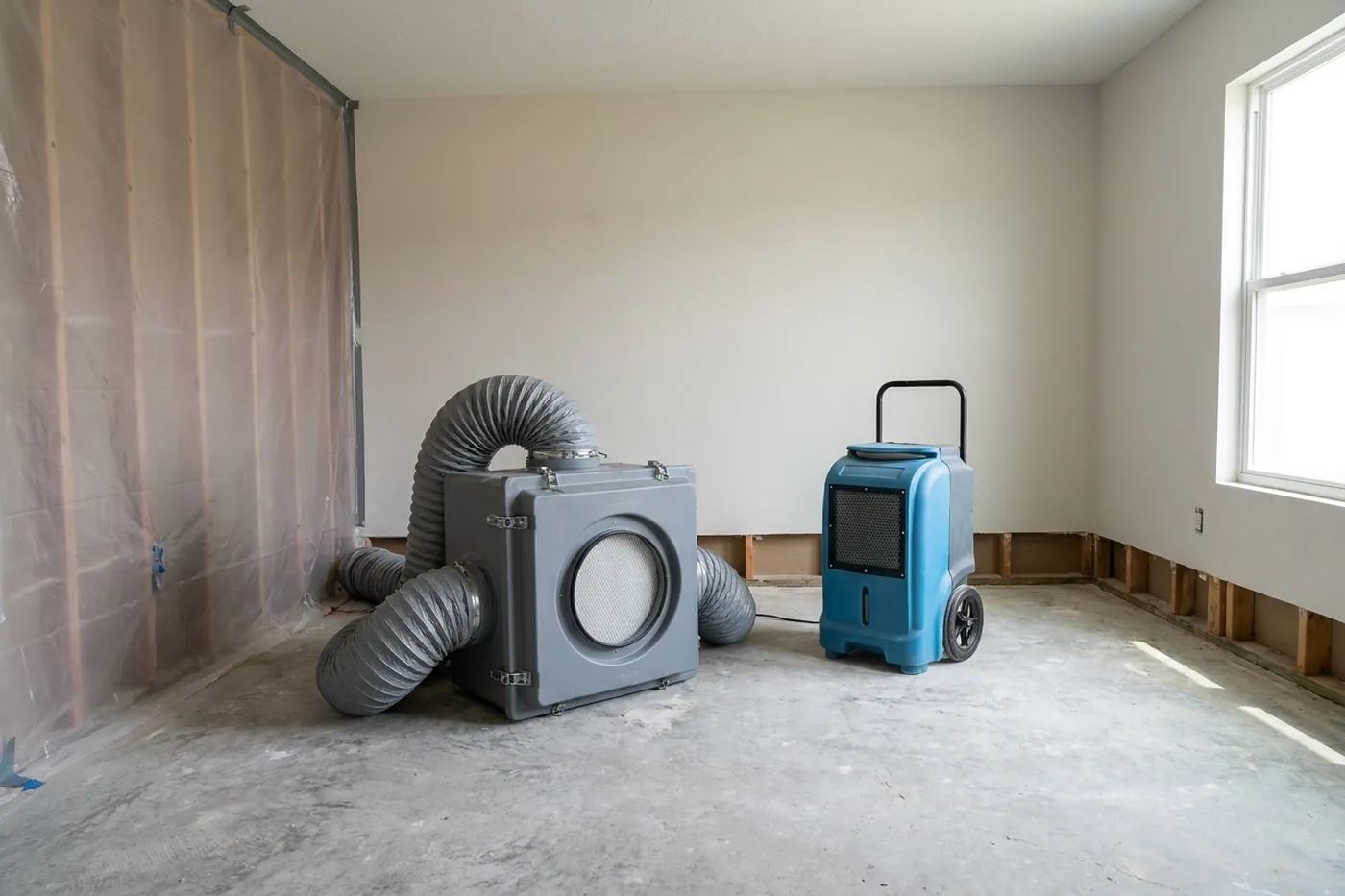
3. A drying target, as a number. Dehumidification run to a measured reading, not until equipment is needed elsewhere. At 60.5 inches of annual rainfall the ambient air is not going to finish the job for anybody.
4. The specialist's licence class and number. Louisiana requires an LSLBC Mold Remediation classification above $7,500. Ask for the number and verify it in the public register rather than trusting anyone.
What we will not write down
Anything about health. People search for mold because they are worried about their household, and that worry deserves a straight answer instead of a sales opportunity. We are not clinicians, and questions about health effects belong to a physician who knows your family's history. Anyone in this trade volunteering medical claims to close a sale is doing something they are not qualified to do.
Nobody should name a mold species from a ladder. Many common indoor molds look dark, and identification requires laboratory analysis — which is why a good report describes location, extent, and moisture rather than declaring black mold at the door.
How a Lafayette mold removal inspection actually runs
Moisture readings at the slab and the base of the walls before anything at eye level, because in this parish the water usually arrives from underneath. Where the damage starts vertically. Where bath and dryer fans discharge. Where exterior water sits after rain. On raised housing, underneath the floor. Then a written assessment naming the source.
A good assessment is written so a competitor can read it: a report only you can interpret is not evidence of anything. Take it elsewhere and compare. See what it might point to or what each service costs.
About us: what people ask
How long have you worked in Acadiana?
Rather than fill that in with something plausible, it stays marked until it can be substantiated. A company that invents the easy facts has told you what it will do with the hard ones, and the four documents above are the part you can actually hold any company to.
How do I check a specialist's license number?
Ask on the first call, before any quote. Then look it up yourself - the board's register is free, it is searchable by number, and a credential nobody checks is only marginally better than none.
Doesn't an inspection just mean you always find something?
It would, if the findings were verbal. That is precisely why to ask for numbers on paper - moisture readings, room by room, that another company can check against its own meter. An incentive you can audit is a weaker incentive. Take the document to a competitor if you want to test it.
How do I read a competitor's quote?
Check whether it names the moisture source, what it proposes to remove versus dry in place, whether it states a drying target, and whether the licence class matches the project value. Those four things are what separate quotes.
Get a Lafayette mold inspection
Describe what you have found and, if you can, how high up the wall it is. Growth that starts at the baseboard and works upward points somewhere very different from a stain that starts at the ceiling. That one detail often shortens the whole diagnosis. You get a call back from a local specialist who serves Lafayette.