
Slab moisture mold removal in Lafayette runs $2,000–$8,000. Acadiana sits on a high water table with mostly slab-on-grade housing, and concrete is not a vapour barrier — so moisture rises through the slab into flooring, baseboards, and wall bottom plates. Damage starts low.
How to tell upward moisture from a leak above, why flooring is the expensive line, and what can and cannot be done about a water table.
Height is the diagnosis
This is the single most useful thing a Lafayette homeowner can notice, and it costs nothing.
Damage that starts low and climbs — dark growth at the baseboard, flooring cupping or lifting, trim that feels damp while the ceiling is bone dry — is reporting moisture arriving from beneath. Damage that starts high and works down — a ceiling stain, discolouration at the top of a wall, growth around a window head — is reporting a roof, flashing, or wall leak.
Those two lead to completely different repairs. Tell whoever inspects your house how high up the wall it is, and if the answer is "it starts at the floor", say so before anyone gets on the roof.
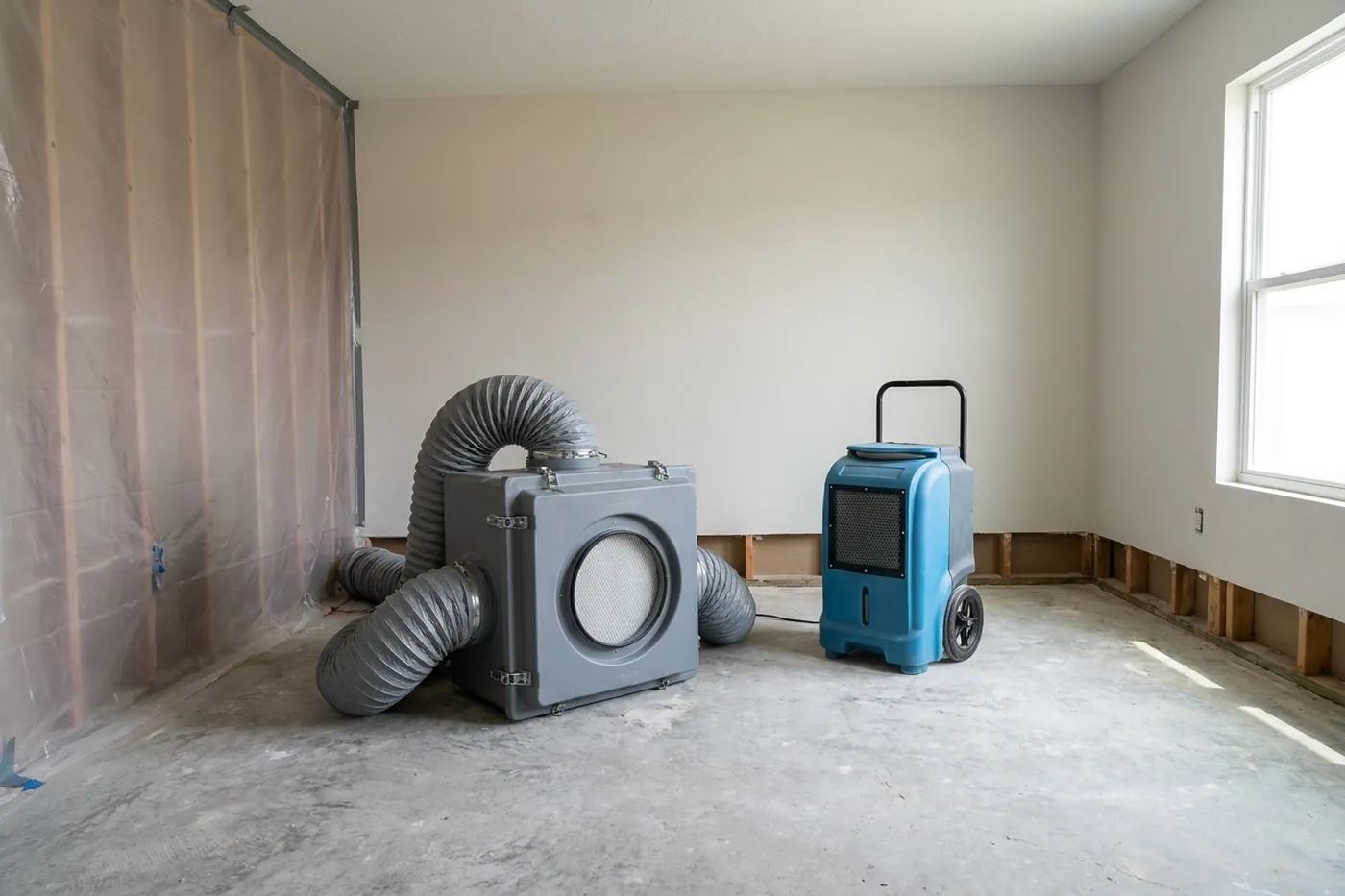
Why the slab passes water at all
Concrete looks solid and is not. It is porous, and water moves through it as vapour driven by the difference between wet ground below and drier air above. Under a house sitting on a high water table, that difference is present continuously rather than after rain.
Modern construction places a vapour barrier under the slab to interrupt it. Older houses often have none, and where one exists it can be punctured during construction. Either way the result is the same: a steady supply of moisture into flooring adhesive, into the bottom plates of framed walls, and into anything organic sitting on the concrete.
What the work costs, and why flooring dominates it
| Extent | What comes out | Typical range |
|---|---|---|
| Baseboards and bottom plates only | Trim, lower drywall, affected framing treated | $2,000–$3,500 |
| One room including flooring | The above, plus flooring bonded to the slab | $3,500–$5,500 |
| Several rooms | Continuous work along affected walls plus flooring | $5,500–$8,000 |
| Add vapour management under new flooring | Slab preparation and a vapour-retarding system | $1,500–$4,000 |
| Slab moisture test before re-flooring | Measurement only | A fraction of doing it twice |
The pattern is consistent: drywall and trim are cheap, and anything bonded to concrete is not. That is why the decision worth getting right is what goes back down, not what comes up.
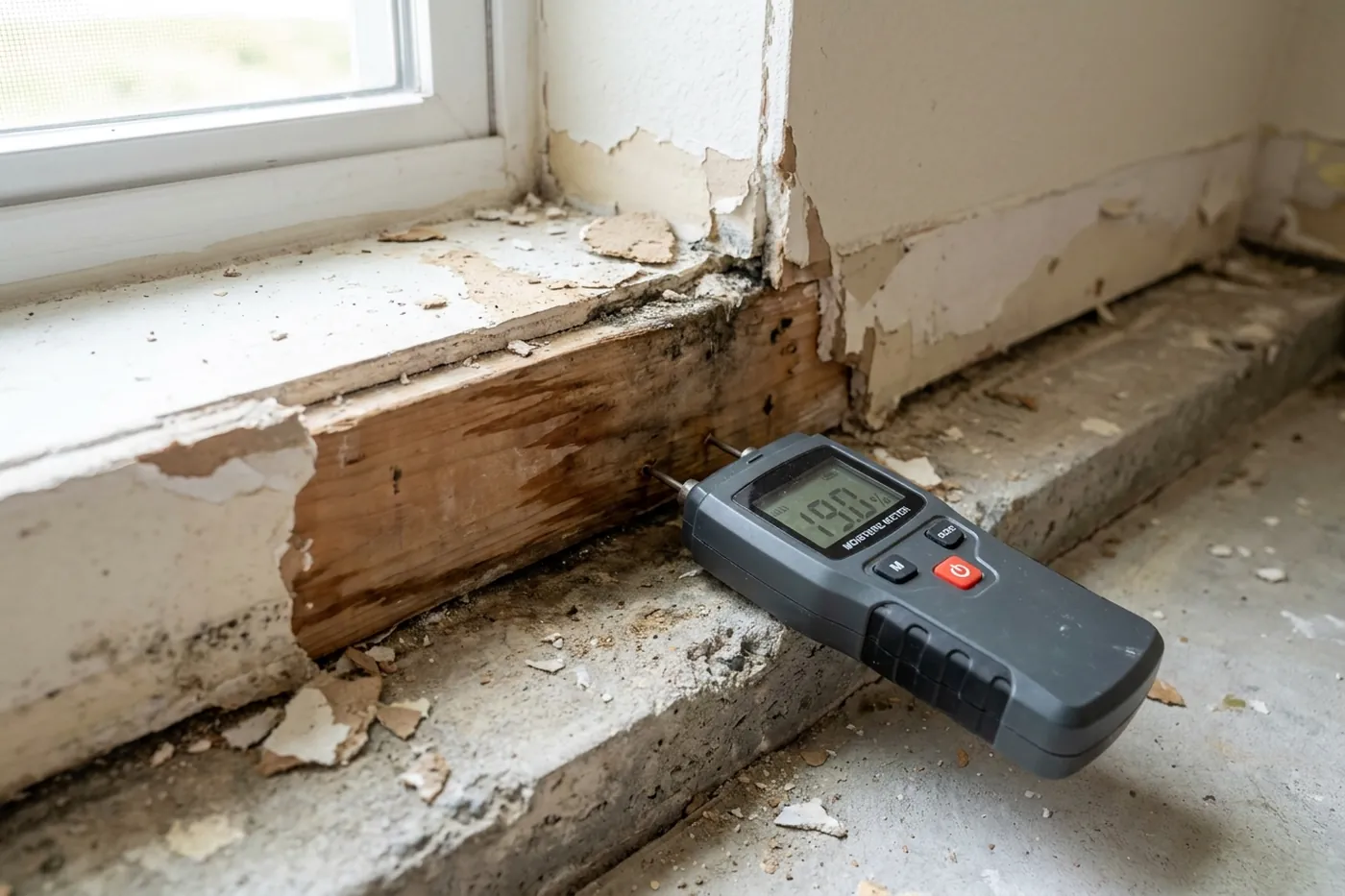
What can be managed, and what cannot
Honest limits matter here. Nobody lowers a regional water table, and a company implying otherwise is selling. What can be done is real and worthwhile: vapour-retarding preparation before new flooring goes down, choosing flooring that tolerates vapour rather than trapping it, correcting exterior drainage so the ground beside the slab is not being additionally loaded, and running dehumidification that is measured to a target rather than left on hopefully.
Where exterior water is adding to the load, that part overlaps with ordinary drainage work and is usually the cheapest thing on the list. See how the inspection establishes which of these applies on the inspection and testing page.
Slab moisture: what people ask
What does slab moisture mold removal cost in Lafayette?
Most jobs run $2,000-$8,000. The variable is flooring: removing and replacing material bonded to a slab is the expensive part, well beyond the cost of the drywall and trim above it. Where only baseboards and bottom plates are affected, the work sits at the lower end.
How do I know the moisture is coming from the slab?
Height is the tell. Growth and staining that begin at the floor and work upward, flooring that cups or lifts, and baseboards that stay damp with a dry ceiling all point downward for the source. Water arriving from a roof or wall leak makes its mark higher and works down.
Why does this happen here specifically?
Acadiana sits on a high water table and most housing is slab-on-grade. Concrete is not a vapour barrier, so moisture moves upward through it and into whatever sits on top - flooring adhesive, baseboards, the bottom plates of walls. It is a slow, continuous supply rather than an event.
Can you stop moisture coming up through a slab?
You can manage it. Options include vapour-retarding coatings under new flooring, moving to flooring that tolerates vapour, correcting exterior drainage that raises the water load, and dehumidification. What nobody can do is lower the regional water table, and a company promising that is overselling.
Will new flooring fix it?
Not by itself, and this is the expensive mistake. Laying new flooring over a slab that is still passing vapour puts the same material back into the same conditions. Test the slab first - a simple moisture test before the floor goes down costs a fraction of doing the job twice.
Get a Lafayette mold inspection
Describe what you have found and, if you can, how high up the wall it is. Growth that starts at the baseboard and works upward points somewhere very different from a stain that starts at the ceiling. That one detail often shortens the whole diagnosis. You get a call back from a local specialist who serves Lafayette.