
Water damage restoration in Lafayette runs $1,000–$8,000, and mold removal follows it more often than not. Mold can begin growing on wet organic material within 24–48 hours, and at 60.5 inches of annual rainfall with high ambient humidity the building will not dry itself — which is why response speed changes the size of the job.
Why the water's category matters more than its volume, what a flood cut is and why it is standard, and what to photograph before anything is removed.
Category decides the scope, not volume
Homeowners reasonably assume that more water means a bigger job. What actually drives the scope is what kind of water it was.
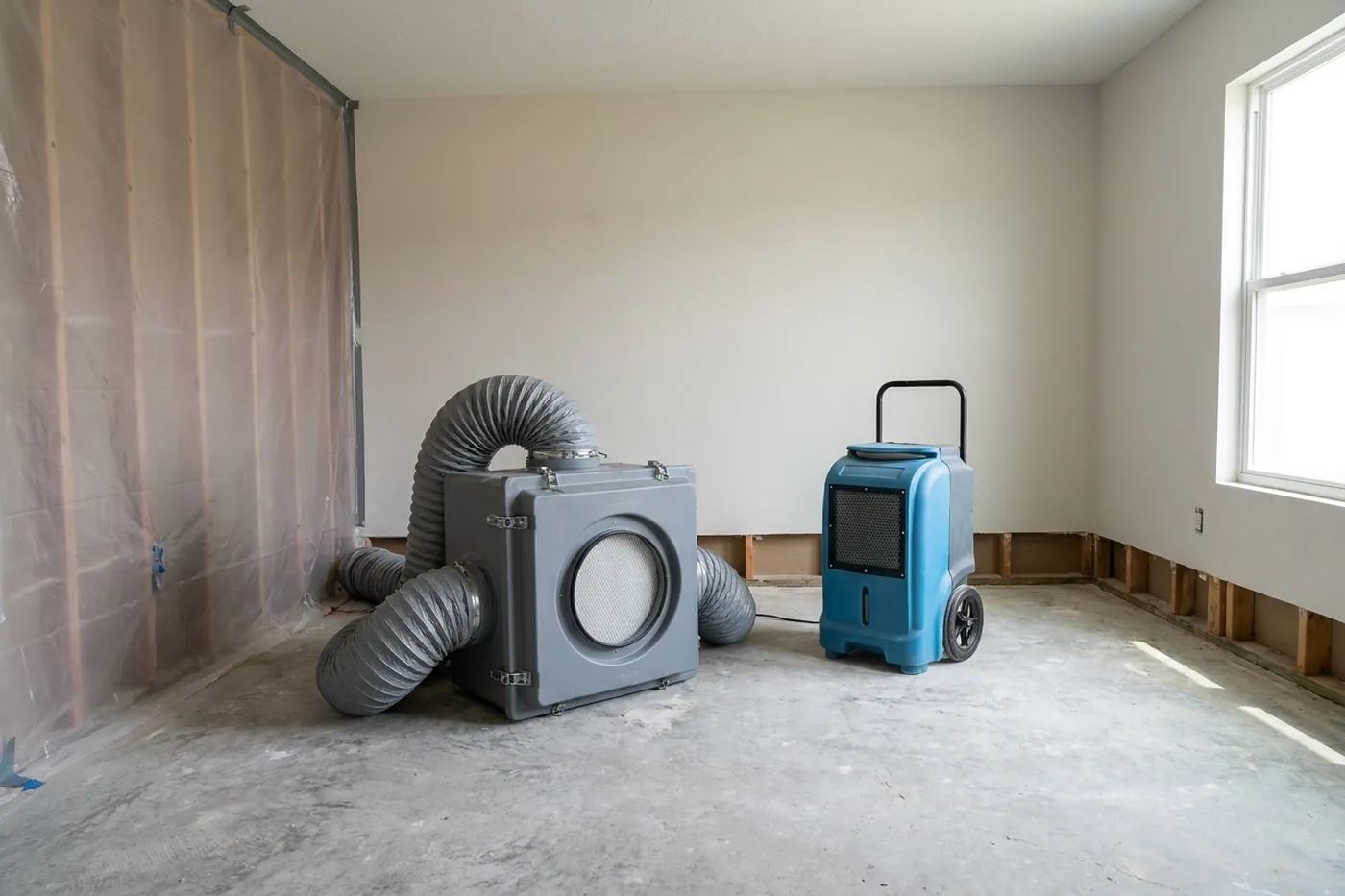
Clean water from a supply line, caught within a day, is often a drying job. Materials stay in place, air movers and dehumidifiers run to a measured target, and the house is restored without demolition.
Flood water is treated as contaminated regardless of how it looks. Porous materials it touched — drywall, insulation, carpet and pad — are removed rather than dried, because they cannot be reliably cleaned back to a safe condition. A smaller volume of flood water produces a larger scope than a bigger volume of clean water.
The 48-hour window, in a climate that works against you
Mold begins on wet organic material within roughly 24 to 48 hours given warmth and moisture. Acadiana supplies both generously for most of the year.
The practical consequence is that opening windows is not a drying strategy here. Outdoor air at high humidity adds moisture rather than removing it. Mechanical dehumidification and air movement are what actually shift the balance, and starting them within that window is the difference between drying a room and rebuilding it.
What a flood cut is, and why it is not overreach
A flood cut removes drywall to a set height above the water line — commonly a foot or two — so the wall cavity and its insulation can be dried or replaced.
It looks aggressive and it is standard practice. Insulation holds water long after the surface of the drywall feels dry, and a wall that looks fine from the room while staying wet inside is the most reliable way to grow mold invisibly. Any scope that proposes drying a flooded wall without opening it is one to question.
Photograph everything before anything moves
| Document | Why it matters later |
|---|---|
| Water line height on each wall | Establishes extent after materials are gone |
| Dated wide shots of every affected room | Shows condition before demolition |
| Close shots of damaged contents | Individual items are claimed individually |
| The source, if visible | Sudden versus gradual decides many claims |
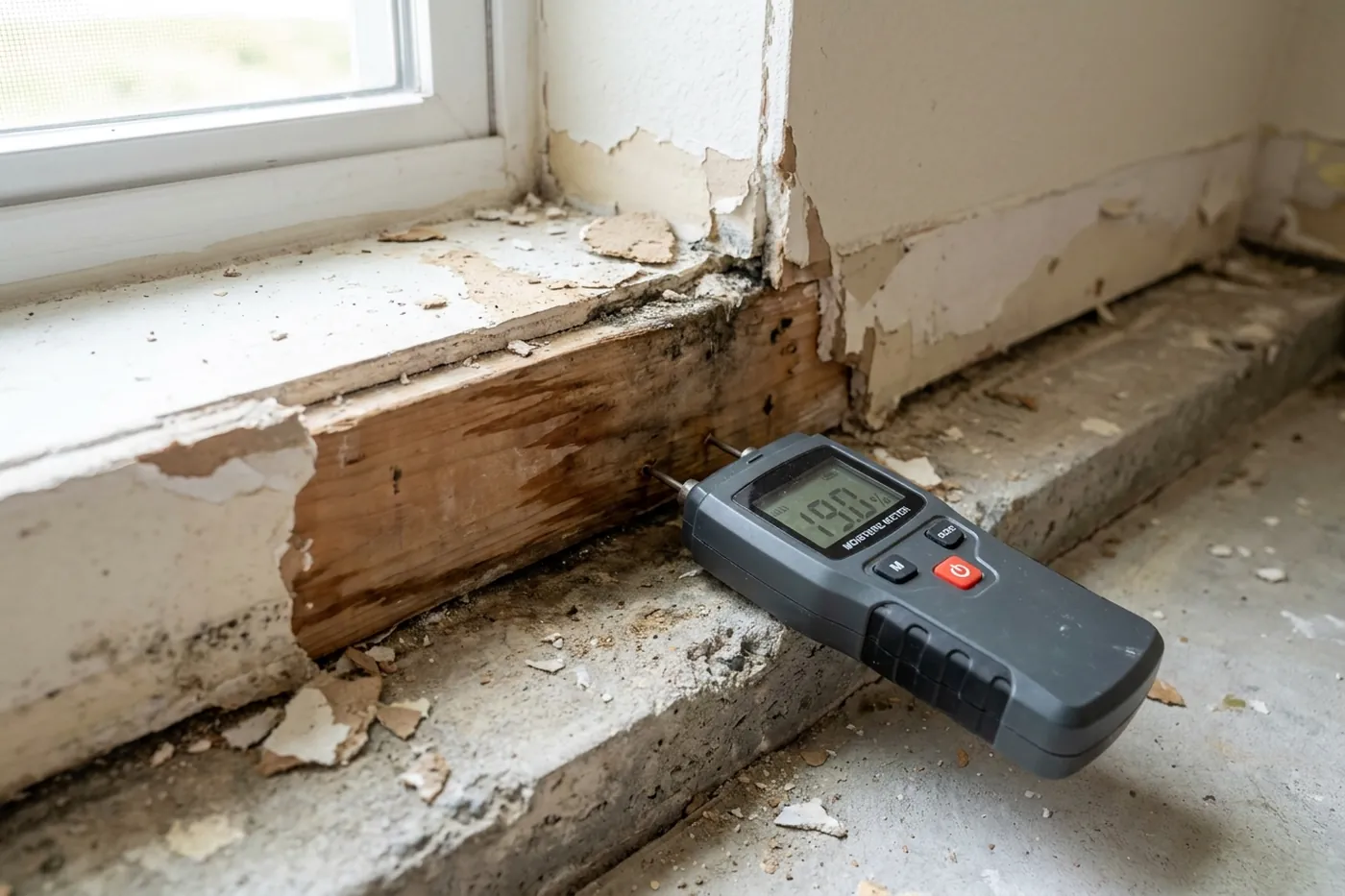
| Meter readings, if taken | Independent record of how wet things actually were |
This evidence cannot be recreated once removal starts, and restoration necessarily destroys it. Ten minutes with a phone before the first cut is worth more than any argument afterward. Flood damage requires separate flood insurance; sudden accidental discharge is commonly covered under a standard policy, and gradual leaks generally are not.
Water damage: what people ask
What does water damage restoration cost in Lafayette?
Restoration runs $1,000-$8,000 depending on how far the water travelled and how long it sat. Category matters as much as volume - clean supply water caught within a day is a drying job, while flood water that stood for days means removal of everything porous it touched.
How fast do I need to act?
Mold growth can begin within roughly 24 to 48 hours on wet organic material. In a climate averaging 60.5 inches of rain a year with high ambient humidity, the building will not dry itself in that window. Getting air movement and dehumidification running quickly changes the size of the job substantially.
Is flood water different from a burst pipe?
Substantially. Flood water is treated as contaminated, which means porous materials it touched - drywall, insulation, carpet, pad - come out rather than being dried. Clean water from a supply line, caught quickly, can often be dried in place. The category drives the scope more than the volume does.
What is a flood cut?
Removing drywall to a set height above the water line, commonly a foot or two, so wall cavities and insulation can be dried or replaced. It looks drastic and it is standard practice, because insulation that stays wet behind intact drywall is exactly how a dried-looking house grows mold inside its walls.
Does insurance cover it?
Flood damage needs separate flood insurance and is excluded from standard homeowners policies. Sudden accidental discharge, such as a burst supply line, is commonly covered. Gradual leaks are usually denied. Document everything with dated photographs before removal starts, because that evidence cannot be recreated.
Get a Lafayette mold inspection
Describe what you have found and, if you can, how high up the wall it is. Growth that starts at the baseboard and works upward points somewhere very different from a stain that starts at the ceiling. That one detail often shortens the whole diagnosis. You get a call back from a local specialist who serves Lafayette.